Selecting the right pallet rack style is one of the most important early decisions in industrial storage system design. Although racks made of structural and roll-formed steel may appear similar, their characteristics, performance, durability, and cost differ significantly. Matching the rack style type to the application ensures safer operations, longer service life, and better long-term value.
“There are a lot of things to look at when choosing structural versus roll-formed rack,” said Dan Wierzba, Central Inside Sales Manager at Steel King Industries. The company is a member of the Rack Manufacturers Institute (RMI). “The choice often depends on your loads, your environment, and what you’re storing. Each style has its place, and understanding the differences helps you choose what’s best for your specific application.”
Understanding Structural vs. Roll-Formed Rack
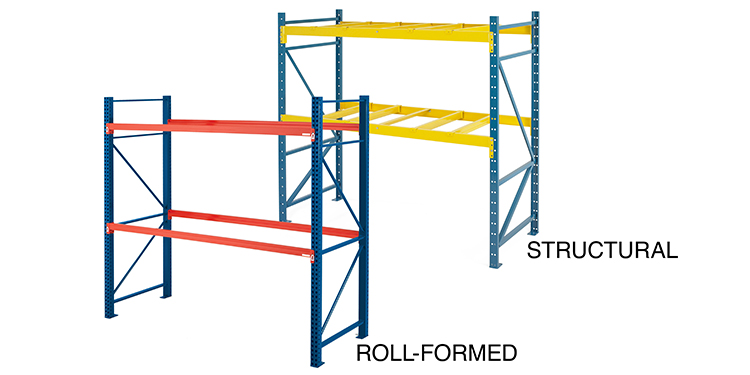
At the most basic level, roll-formed rack uses thin-gauge, high-strength cold-rolled steel shaped into profiles. Beams typically engage the column through boltless tab-and-slot (also known as teardrop) connections. Structural rack incorporates hot-rolled structural steel channels and angles, with beams bolted to the uprights. These fundamental differences affect strength, durability, assembly time, and cost.
“Roll-formed rack systems offer flexibility, shorter installation time, and cost efficiency. Structural rack may provide greater impact resistance, longer service life, and more robust connections,” explained Wierzba.
Choosing between the two begins with understanding how these characteristics interact with an operation’s loads, equipment, and environment.
Match the Rack to Load Characteristics
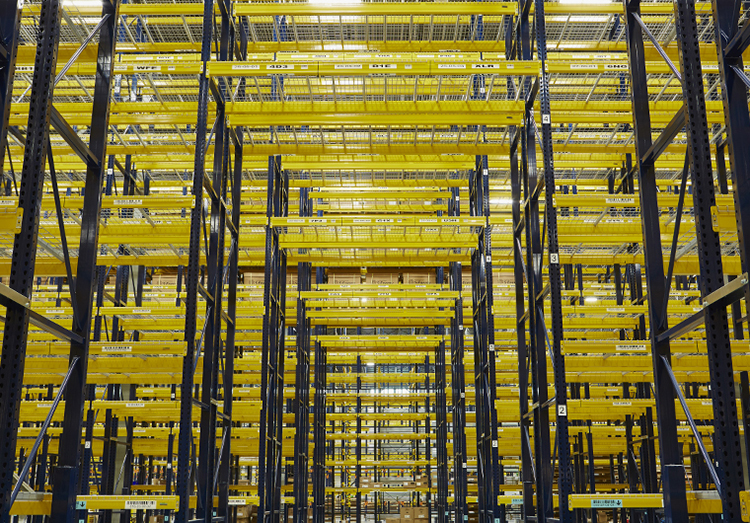
Load characteristics are often the deciding factor when selecting between roll-formed and structural steel rack. Lighter products stored at moderate heights are well-suited for roll-formed designs. But heavy loads—especially at tall elevations—point toward structural rack.
“Roll-formed rack can’t always reach as tall as structural rack depending on what the loads are,” Wierzba explained. “If you’re storing 8,000 to 12,000 pounds per level, then structural steel rack becomes the better option because of the bolted connection.”
Facilities with high-density storage, tall buildings, or multi-level systems naturally place more stress on uprights and beams. Structural rack’s heavier steel and bolted joints generally offer better performance under these conditions.
For shorter, hand-loaded systems holding lighter weight inventory, roll-formed rack is often the more efficient and economical fit.
Consider Product Value, Damage Risk, and Operator Behavior
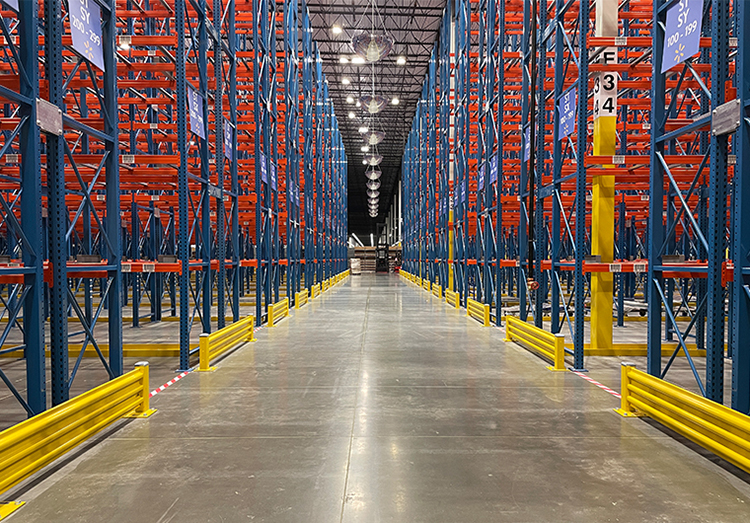
The value and vulnerability of stored items also influence the rack style. When storing goods that are costly, fragile, or difficult to replace, structural rack provides an extra margin of safety.
“If you’re storing something very valuable that’s expensive to replace, structural might be more appropriate,” said Wierzba.
Operator behavior is another consideration. Some environments—such as freezers or high-velocity facilities—tend to see more forklift impacts. Cold temperatures, tight aisles, and speed demands increase the likelihood of rack strikes.
“In freezer and cooler applications, operators are more likely to slide into the rack,” Wierzba noted. “Structural is generally more resilient in those instances.”
In contrast, well-controlled operations with experienced operators may see long service life from roll-formed systems, he added.
Environmental Conditions and Seismic Regions Also Influence Rack Selection
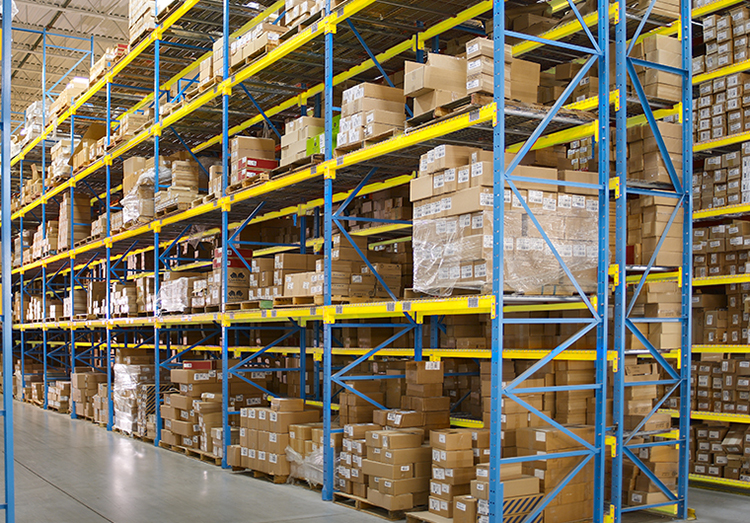
Rack style choice should account not only for what is stored, but also where it is stored. For example, harsh or corrosive environments can quickly degrade steel. Wierzba cited humidity, washdowns, acidic products, and coastal conditions as examples where structural rack with a galvanized finish is the more reliable choice.
“When racks need to be washed down regularly or when there’s corrosive product, you want a galvanized finish,” he explained. “In those cases, structural is the better choice. Structural rack’s bolted joints and thicker steel profiles tolerate galvanizing without compromising beam engagement. Roll-formed teardrop connections generally cannot be galvanized without clogging the slots.”
Further, facilities in high seismic zones may need bolted beam-to-upright connections to meet engineering and code requirements. Although some manufacturers offer roll-formed columns with bolted connectors, structural rack is a more common choice.
“In a stronger seismic area, building codes might require a bolted connection rather than a roll-form connection,” Wierzba said.
Installation Time, Maintenance, and Service Life
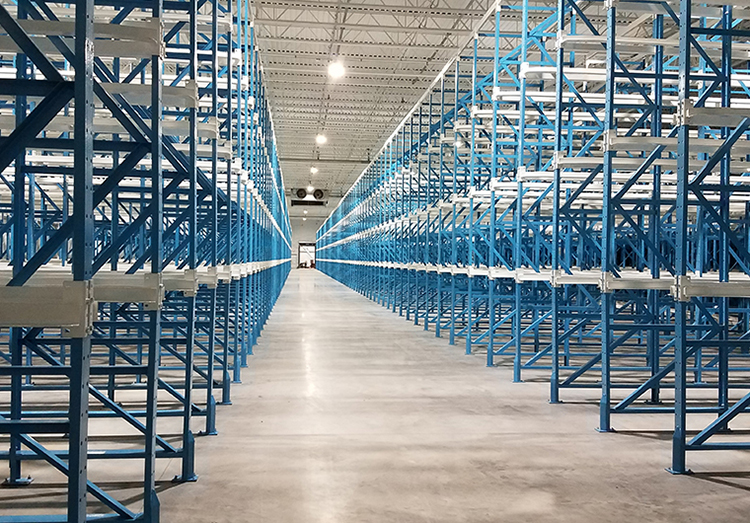
Roll-formed rack installs quickly because beam rivets simply seat into the teardrop slots and lock in place. “It’s easier for the installer to assemble quickly,” Wierzba noted. “Structural rack requires tightening nuts and bolts, increasing labor time and project cost.”
However, structural rack compensates with longer lifespan and higher resistance to damage. Roll-formed designs can last many years, but their thinner steel makes them more vulnerable to impacts.
“Roll-formed rack typically has a shorter lifespan than structural,” Wierzba explained. “It depends on how well you train your forklift operators.”
Well-maintained operations may see similar life expectancy from both types, he added. “In general, high-damage environments benefit from structural steel’s durability.”
Automation and Rack Style Selection
Automation does not automatically dictate the rack type. For most autonomous mobile robot (AMR), automatic guided vehicle (AGV), or automated forklift applications, the same design considerations—load, height, environment, and impacts—still apply.
“Roll form and structural can both be used with automation depending on the weights and heights,” Wierzba noted.
However, systems requiring tight tolerances—such as automated storage and retrieval systems (AS/RS) or rack-supported buildings—almost always use structural steel.
“Rack-supported facilities are definitely structural steel,” he emphasized.
In Some Facilities, Both Types—or Hybrids—Make Sense
Many warehouses use both rack styles across different zones. Heavy-duty structural rack may serve tall bulk storage or freezer areas, while roll-formed systems support picking or lighter-duty storage.
“Matching the rack style to specific zones within the same facility ensures performance without overspending,” noted Wierzba.
Additionally, some manufacturers offer hybrid systems. These racks mix structural uprights with roll-formed step beams. Such configurations provide bolted strength where it counts most—at the upright—while allowing the use of step beams that support wire decking more effectively.
“Hybrid systems give you the advantages of both types of steel,” he added. “They can also optimize cost, especially when only part of the rack requires structural durability.”
In situations where both styles could work, the decision often comes down to budget, expected lifespan, speed of installation, and future flexibility. Consulting a qualified rack engineer early in the design process ensures the system meets required load, seismic, and safety standards.
Looking for More Rack Design Resources?
RMI publishes multiple guides to help facility owners and operators specify and utilize safe rack systems. Wierzba recommended “Considerations for the Planning and Use of Industrial Storage Racks,” which provides in-depth guidance on different kinds of rack systems. More information is available at mhi.org/rmi.