Industrial steel storage rack systems face constant contact from forklifts, pallets, and daily operations. Over time, that wear leads to conditions that can compromise safety if not caught early. A structured rack inspection checklist helps facility managers identify issues before they escalate.
According to Dan Wierzba, Central Inside Sales Manager at Steel King Industries, a member of the Rack Manufacturers Institute (RMI), routine inspections are critical.
“Everyday operations create predictable risks,” he said. “Over time forklifts and loads will impact uprights. Rack owners should conduct a regular inspection to make sure nothing has been moved or disengaged.”
Unchecked damage can lead to serious incidents, including beam disengagement, pallet drops, or even partial rack collapse. A clear checklist gives supervisors and safety teams a consistent framework to evaluate system condition. It also ensures compliance with ANSI MH16.1 and ANSI MH16.3 while reducing hazards for workers on the floor.
Why Inspections Matter: The Most Common Problems Found in the Field
Forklift impacts are the leading cause of rack damage. Even a small strike can compromise structural integrity if it affects anchors, beams, or the front column. Wierzba has seen facilities with uprights “so horribly bad that they’re just hanging by a thread.” Without a structured rack inspection process, damage—particularly minor and cumulative—can go unnoticed.
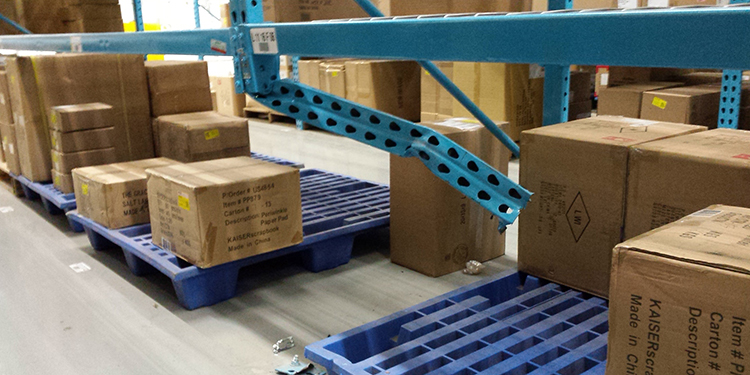
One common concern is load beam disengagement. When a forklift bumps a beam while removing a pallet, a damaged or missing safety lock may allow the beam to partially separate.
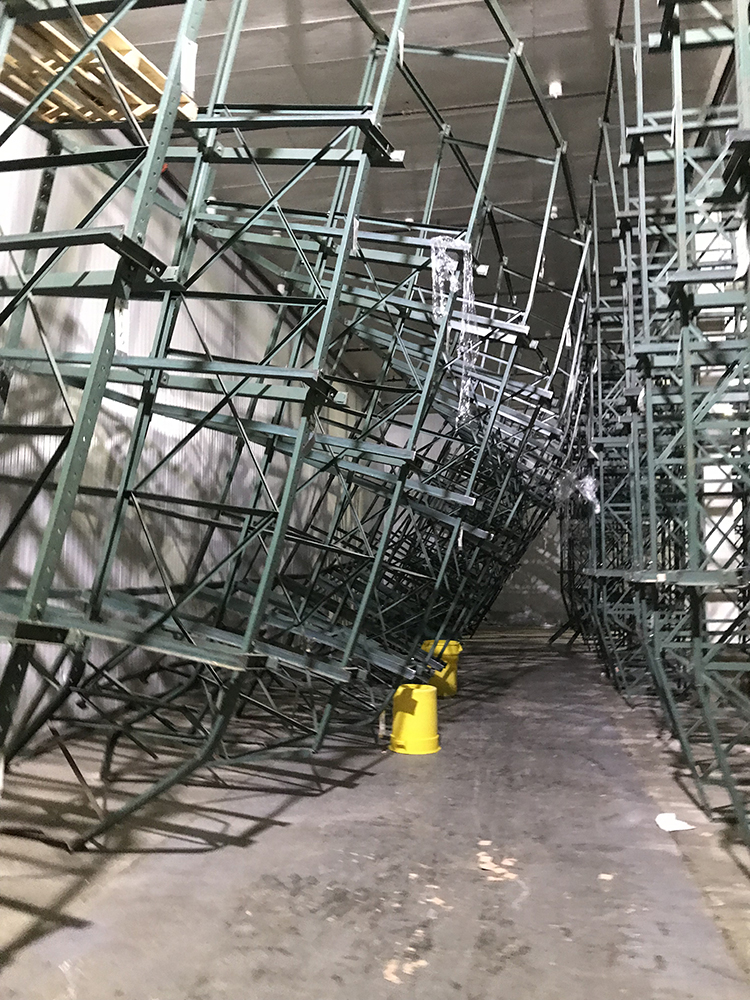
“The time to inspect your racks is before an associate reports, ‘I came in this morning and the rack was just laying on the ground,’” he explained. “An impact probably disengaged it at some point, and it finally gave way. Regular rack inspections catch those situations before they become catastrophic.”
Other high-frequency issues Wierzba noted include:
- Missing or sheared anchors, especially after repeated forklift contact.
- Bent or twisted beams that allow pallets to drop unexpectedly.
- Overhang problems, where changing pallet sizes or inconsistent loads affect fit and placement.
- Column deformation, with even small bends increasing stress throughout the structure.
A checklist ensures early detection of these issues. That enables facility owners and managers to address then before they create unsafe conditions.
What a Rack Inspection Checklist Should Include
A complete rack inspection should systematically evaluate the following components, recommended Wierzba.
Uprights and Columns
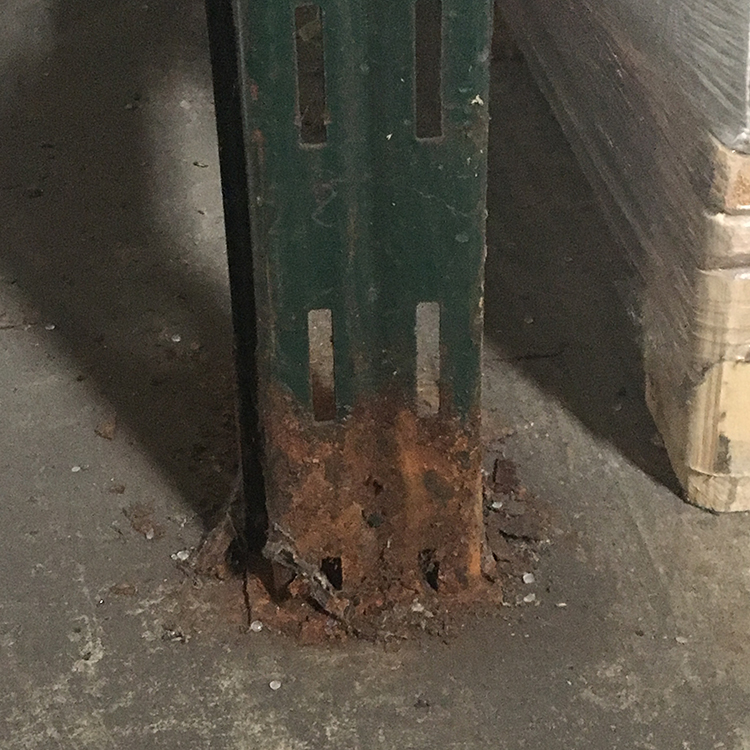
Look for dents, twists, bends, rust, or damaged welds in rack columns. Damage reduces load-bearing capacity and can compromise the entire structure.
Horizontal and Diagonal Braces
Verify that braces are straight, securely attached, and undamaged. Braces provide lateral stability and prevent racking or sway.
Load Beams
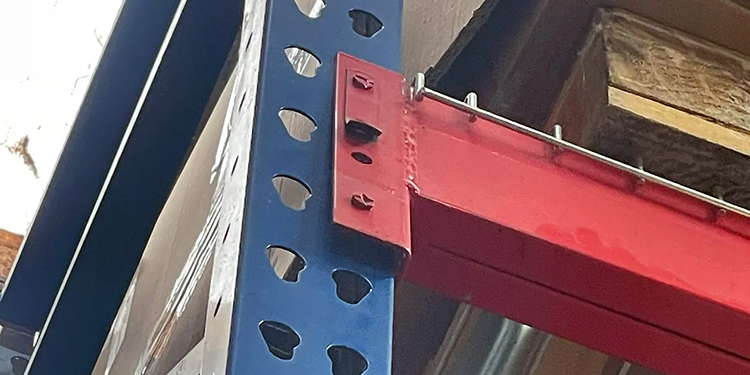
Ensure beams are fully engaged in upright slots. Look for deflection, bending, or signs of past overloading. Beam issues can lead to sudden failure under load.
Beam Connectors, Safety Clips, and Pins
Confirm clips are present, secure, and undamaged. Missing or broken clips can allow beams to disengage unexpectedly.
Base Plates and Anchors
Check that all anchor bolts are present and tight. Missing or sheared anchors reduce stability and increase collapse risk.
Load Placement and Use
Look for pallet overhang, double-stacking, or loads that exceed rated capacity. Improper loads cause structural stress and elevate accident risk.
Aisles and Surrounding Conditions
Ensure aisles are clear and floor surfaces are intact. Good housekeeping reduces forklift collisions and impact damage.
Signage and Documentation
Verify that load capacity plaques are present and readable. Confirm that rack use matches the documented configuration. Proper signage supports compliance and correct system use.
How Often Should Facilities Inspect Their Racks?
There is no single rack inspection frequency that works for every warehouse. The right interval depends on activity levels, traffic patterns, equipment types, and employee behavior. Still, all facilities benefit from both frequent visual checks and formal scheduled inspections.
Wierzba recommends a simple cadence. “Perform a visual inspection weekly. Just walk through all of the rack aisles to make sure everything is intact,” he advised. “These informal checks help identify obvious issues quickly.”
More structured, documented inspections should occur regularly. “Rack aisles with less traffic may need less frequent inspections, perhaps once every six months,” he said. “However, areas with repeat damage need shorter intervals, such as monthly. These include high-traffic aisles, tight bays with minimal horizontal clearance, and locations with frequent high-level pallet placement.”
If inspection records reveal that one area consistently shows more damage, supervisors need to determine the cause and address it.
“Frequently, it’s equipment operators that might need more training. Or, if aisles are too narrow, operators could struggle to maneuver forklifts without impacts,” suggested Wierzba. “Sometimes damage occurs because of changes to the load shape. Perhaps a supplier is now sending taller or wider loads that create overhang and make them harder to place in existing bays. In that case, you may need to readjust bay openings or talk to your supplier.”

Who Should Perform Rack Inspections?
Everyone on the warehouse floor should feel responsible for reporting rack damage. However, formal inspections require training, consistency, and objectivity.
“Most companies now have safety managers,” Wierzba said. “They often oversee rack inspection checklist procedures.”
But relying on the same person to inspect racks every time can create blind spots. “If it’s the same person doing it, they may not see things due to familiarity,” he added. “Bringing in a fresh set of eyes—either from another internal team or a qualified third-party inspector—can help identify issues that might otherwise be overlooked.”
Some distributors and rack specialists also offer professional inspection services, which can be especially valuable in certain situations. Facilities dealing with recurring rack strikes often benefit from an outside assessment to identify underlying causes. Third-party inspections are also helpful when aisle spacing has been altered, as layout changes can introduce new impact points or clearance issues, noted Wierzba.
Likewise, operations that have switched equipment or product lines may need a fresh evaluation to ensure their rack system still supports the updated loads and handling practices. Additionally, when a safety audit requires documented evaluations, engaging a qualified inspector provides the thorough, verifiable records needed for compliance.

Documentation Matters: Spotting Patterns and Preventing Recurrence
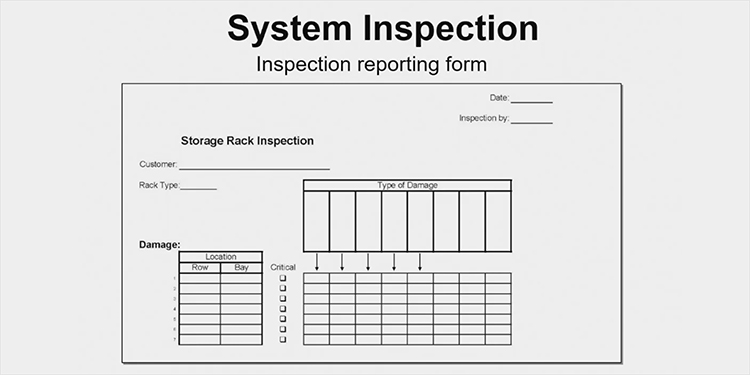
Keeping thorough inspection records creates a valuable data trail. Facilities can track which aisles suffer the most damage, which forklifts or operators are associated with repeat impacts, and whether environmental or operational changes improve or worsen conditions.
Wierzba emphasized the value of trend-tracking. “Keeping inspection documents helps to identify patterns. Perhaps a particular forklift operator is more prone to cutting corners. Or, maybe a particular forklift is having issues reaching the highest bay,” he said. “Keeping track of the inspections helps see if things improved or got worse.”
Documentation also:
- Supports OSHA and insurance inquiries.
- Confirms adherence to manufacturer and ANSI standards.
- Helps justify needed repairs or equipment upgrades.
- Guides retraining for forklift operators.
Ultimately, these records protect both employees and the company by proving that regular inspections and corrective actions are part of daily operations, Wierzba added.
Discover More Rack Safety Resources
RMI provides extensive materials to help facility owners, safety managers, and operators maintain safe rack systems. Among them are “Considerations for the Planning and Use of Industrial Storage Racks,” which provides guidance on the various types of rack systems available, and includes information on operation and inspection. RMI’s “Guideline for the Assessment and Repair or Replacement of Damaged Rack” provides guidance on how to repair rack systems. More information is available at mhi.org/rmi.